Q+A with The Mind Faculty · A free monthly online session
Burnout
Tired in a way sleep doesn't reach? A free, honest conversation about burnout: how to tell it from depression, why rest alone often doesn't fix it, and what actually helps. Ask anonymously.
Most people arrive at the word burnout sideways. Not through a diagnosis, but through a Sunday evening that feels heavier than it should, a holiday that wore off inside a week, or the quiet realisation that they have stopped caring about things they used to care about.
This month Dr Lim Chee Min, Senior Consultant Psychiatrist at The Mind Faculty, answers your questions about it live. What burnout is, what it is not, and the question almost everybody brings: is this burnout, or is it something a doctor should be looking at?
Burnout, or depression?
This is the most common question about burnout, and the honest answer is that it is harder to settle than the internet suggests.
The World Health Organization defines burnout by three things: exhaustion, feeling distant or cynical about the work, and a sense of getting less done however hard you try. It also classifies burnout as an occupational phenomenon rather than a medical condition. So the thing that looks like burnout can also be depression, an anxiety disorder, a sleep problem, a thyroid or iron issue, or a job that genuinely has to change. Each of those gets a different answer, and some of them get worse while you wait.
We would rather be straight with you about the rest. Researchers do not agree where burnout ends and depression begins; one review of 92 studies called the distinction conceptually fragile, and current advice to clinicians is to check for depression in every presentation of burnout. The most widely used burnout questionnaire had its cut-off scores withdrawn by its own publisher, because it was built for research rather than diagnosis. A score is not a diagnosis, in either direction, and an assessment is not a verdict on how well you cope. It is finding out which of those things it is, so the help fits.
Why rest alone often doesn't fix it
Leave helps, and then it wears off. The research on holidays finds the benefit fading within two to four weeks of going back, which is roughly the point at which people conclude something is wrong with them.
What a longer view shows is that burnout does not recover at one speed. In a treated cohort, the low mood and anxiety moved first, while the exhaustion itself moved in months rather than weeks, and a third of people still met the criteria at eighteen months. That is not a failure of effort, and it is worth knowing before you measure yourself against a week off. Pooled trials of the things one person can do alone find them helpful but not consistently sufficient on their own, which is the honest version of what we will say on the night.
You don't need a job to burn out
Burnout, as the WHO defines it, is occupational. But the pattern of demand outrunning recovery does not check whether anybody is paying you.
Researchers describe parental burnout as its own construct, distinct from work burnout and from depression. Eldercare sits in the same territory: nearly four million Malaysians are over 60, most of that care falls to families, and in one Malaysian study around seven in ten family carers of people with dementia reported carer burden. If you have been reading about burnout and quietly deciding it isn't for you because you don't have a job to point at, this session is also for you.
We'll cover:
- Burnout or depression · how to tell the difference, and why it changes what helps.
- Why rest alone often doesn't fix it, whether the work is paid or caring for someone at home.
- Plus your own questions, answered live.
Nobody will be asked to identify themselves, and nobody will be diagnosed on the night. This is educational rather than a consultation, and burnout care sits alongside the rest of what helps, including talk therapy, rather than in place of it.
If you have had thoughts of not wanting to be here, please don't wait for a Tuesday. Talian Kasih 15999 and Befrienders KL 03-7627 2929 are both available 24 hours.
Session details
Your speaker
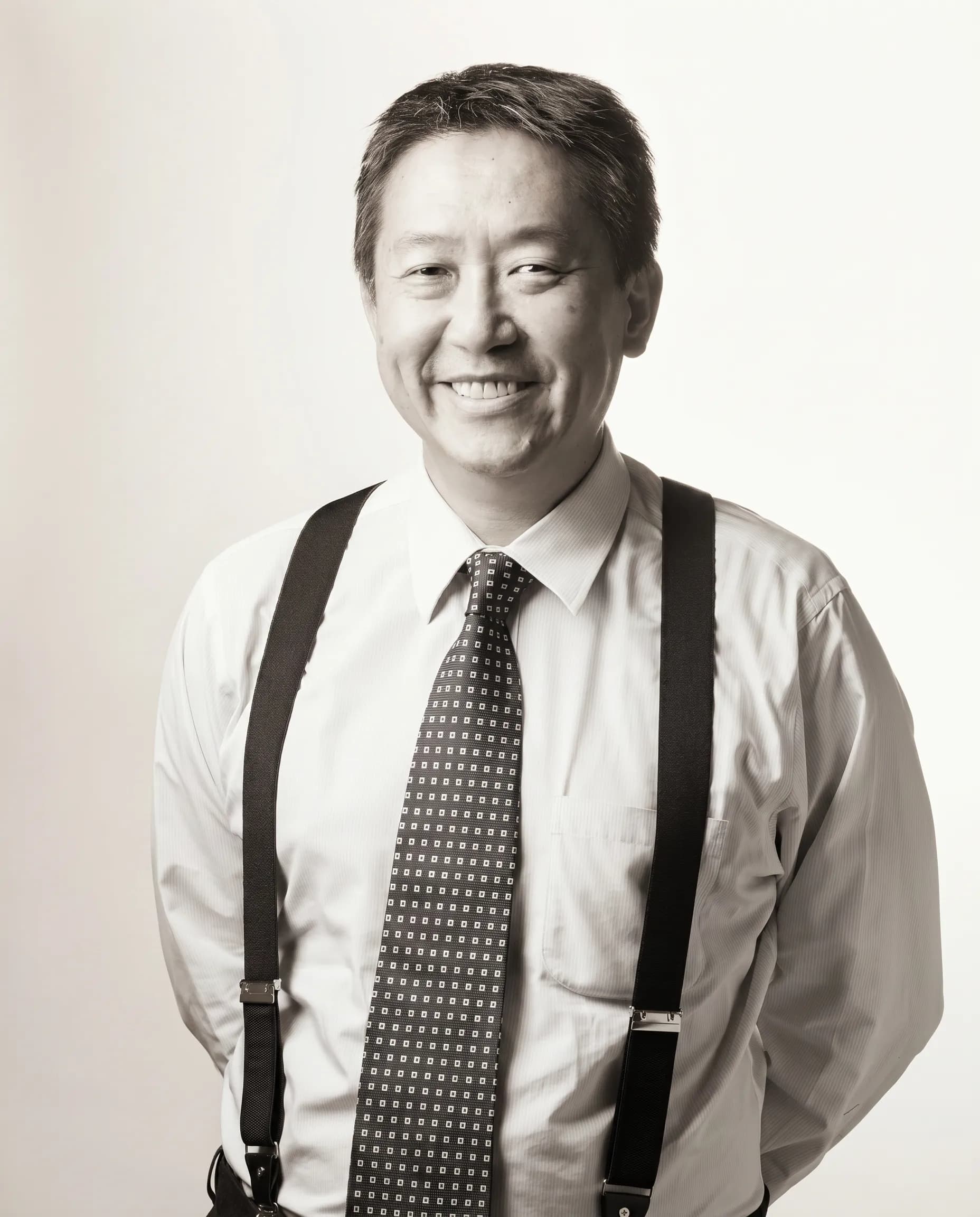
Dr Lim Chee Min
Senior Consultant Psychiatrist
Dr Lim has practised psychiatry for four decades across the British Isles, Malaysia, Australia and Singapore, most recently as a Senior Consultant Psychiatrist in Singapore, and he teaches the next generation as an Adjunct Associate Professor at NUS and Duke-NUS. Burnout is one of the areas people come to him for. Four countries of practice have also given him a close sense of how culture shapes what people are willing to call exhaustion, and when they finally ask.
Read full profileWhat to expect
You stay private.
Your camera and microphone are off the whole time. You'll never be seen or heard.
Ask anonymously.
Type your question into the chat, and we never read out names.
It's educational, not a consultation.
We answer questions in general terms; we can't diagnose individuals. If you'd like personal support, we'll show you how to reach us.
Reserve your free place
Register below and we'll email you the Google Meet link, plus a reminder before we start.
Beyond this session
Want to understand Burnout beyond this session: the signs, how assessment works and how we can help?
Read about BurnoutIn crisis right now? You don't have to wait for the session. Talian Kasih 15999 · Befrienders KL 03-7627 2929 (24/7) · Emergency 999.
The Mind Faculty · Solaris Mont Kiara, Kuala Lumpur.