Burnout is a state of physical and emotional exhaustion caused by prolonged stress, most often from work, marked by depleted energy, growing detachment or cynicism, and reduced effectiveness. It is not a formal psychiatric diagnosis, but it is real, it often overlaps with anxiety and depression, and it responds to a combination of rest, practical change and psychological support. The Mind Faculty helps people recover from burnout at our clinic in Mont Kiara, Kuala Lumpur, and by video.
Burnout is what happens when sustained stress outpaces recovery, until even the things you care about feel like too much. It's common in capable, conscientious people, and it's a signal worth listening to rather than pushing through.
By the numbers
Employment Hero, Wellness at Work 2024
Common signs
- Exhaustion that rest doesn't fix
- Cynicism or detachment from work
- A drop in performance or motivation
- Irritability and a short fuse
- Trouble switching off
- Headaches, tension or poor sleep
Signs vary from person to person, you don't need to recognise all of these, or be sure it's burnout, to reach out.
How we can help
Burnout care at The Mind Faculty
We start by looking at the whole picture: what's being asked of you, what's already run dry, and whether burnout has tipped into depression or anxiety, which changes what will help. An honest assessment is often the first time people have said out loud how bad it's become.
Recovery usually combines practical work on boundaries, load and recovery time with therapy that addresses the patterns underneath, such as perfectionism, difficulty saying no, or tying self-worth to output. Our counsellors and psychologists work with workplace stress regularly. Where sleep, mood or anxiety are badly affected, a psychiatrist can be involved.
Mindfulness, acupuncture and other complementary approaches can help the body come down from a prolonged stress response, and can sit alongside therapy within the faculty.
The faculty
Specialists in Burnout
These members of the faculty work with this regularly. Not sure who fits? Tell us a little about what's going on and we'll help you choose.
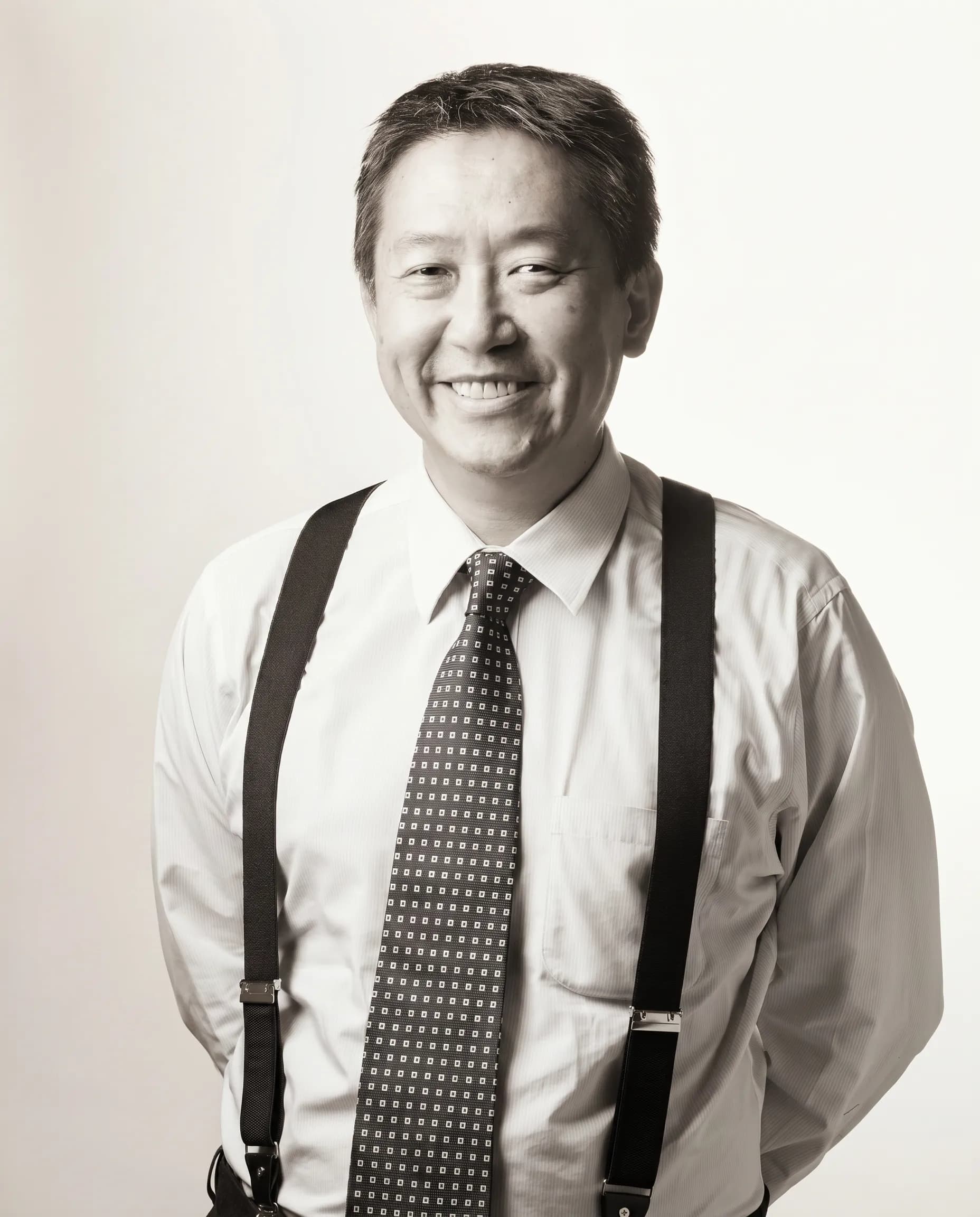
Dr. Lim Chee Min
Senior Consultant Psychiatrist

Felicia Chan
Clinical Psychologist

Esther Loh
Counselling Psychologist
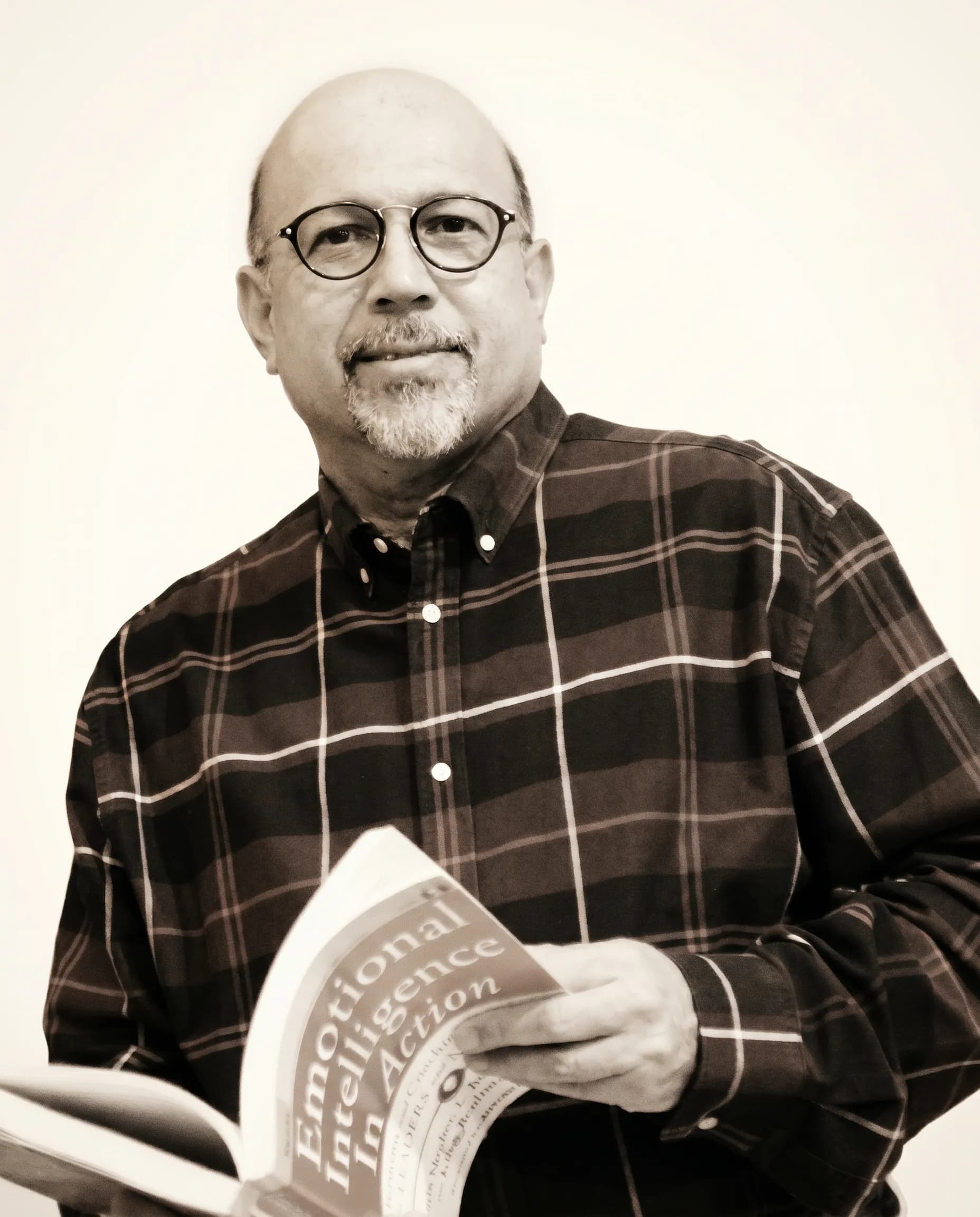
Azman Shah Dato' Aziz
Consultant Psychotherapist

C.M.D.R. Joanne Wong
Acupuncturist
Questions people ask
About burnout, answered
Is burnout the same as depression?
No, but they overlap and one can lead to the other. Burnout is tied to a specific source of prolonged stress, usually work, and tends to improve with rest and change. Depression is broader and persists regardless of context. An assessment can tell the two apart, which matters because the treatment differs.
Do I need to stop working to recover from burnout?
Not always. Some people need time off; many recover while working, with changes to load, boundaries and support. Your clinician can help you work out what's realistic, and provide documentation if time off is medically advised.
Can burnout cause physical symptoms?
Yes. Prolonged stress shows up in the body as headaches, muscle tension, poor sleep, stomach problems, frequent colds and a racing heart. If you've had these checked and nothing medical explains them, burnout is worth considering, and treating it usually eases the physical symptoms too.
How long does it take to recover from burnout?
It depends on how long it's been building and what changes are possible. With rest and the right support, many people notice real improvement within a few weeks, though rebuilding sustainably usually takes longer. Your clinician will give you an honest picture.
If any of this rings true, it's worth a conversation.
Not sure where you fit? That's entirely normal, we'll help you find the right specialist.
Content reviewed by The Mind Faculty clinical team, a faculty of psychiatrists, psychologists and therapists in Mont Kiara, Kuala Lumpur. This page is general information, not a diagnosis. Talk to us about your own situation.