Post-traumatic stress disorder (PTSD) is a condition that can follow a frightening or overwhelming experience, marked by intrusive memories, avoidance, feeling constantly on guard and changes in mood. Trauma can also affect people without meeting the full criteria for PTSD, and complex trauma can build up over years. Both respond to evidence-based, trauma-focused therapy. The Mind Faculty treats trauma and PTSD in adults, teens and children at our clinic in Mont Kiara, Kuala Lumpur, and by video.
Trauma is what happens when an overwhelming experience stays lodged in the nervous system, intruding on the present long after the event. It can follow a single incident or build over years. Evidence-based therapy helps the past become the past.
By the numbers
WHO World Mental Health Surveys
Common signs
- Flashbacks, intrusive memories or nightmares
- Feeling on guard or easily startled
- Avoiding reminders of what happened
- Emotional numbness or detachment
- Trouble sleeping or concentrating
- Sudden shifts in mood
Signs vary from person to person, you don't need to recognise all of these, or be sure it's trauma & ptsd, to reach out.
How we can help
Trauma & PTSD care at The Mind Faculty
Trauma work here goes at your pace. You won't be asked to relive everything in the first session. A psychiatrist or psychologist will first help you feel steadier, understand how trauma affects the nervous system, and agree together on what treatment should look like.
The therapies with the strongest evidence for PTSD are trauma-focused CBT and EMDR (eye movement desensitisation and reprocessing), both offered by members of our faculty. Schema therapy can help where trauma has shaped long-standing patterns. A consultant psychiatrist can discuss medication for sleep, nightmares or the anxiety and low mood that often accompany trauma.
Some people find art psychotherapy or body-based approaches such as acupuncture useful for what's hard to put into words. Because our disciplines work together, your care can combine these without starting over elsewhere.
The faculty
Specialists in Trauma & PTSD
These members of the faculty work with this regularly. Not sure who fits? Tell us a little about what's going on and we'll help you choose.
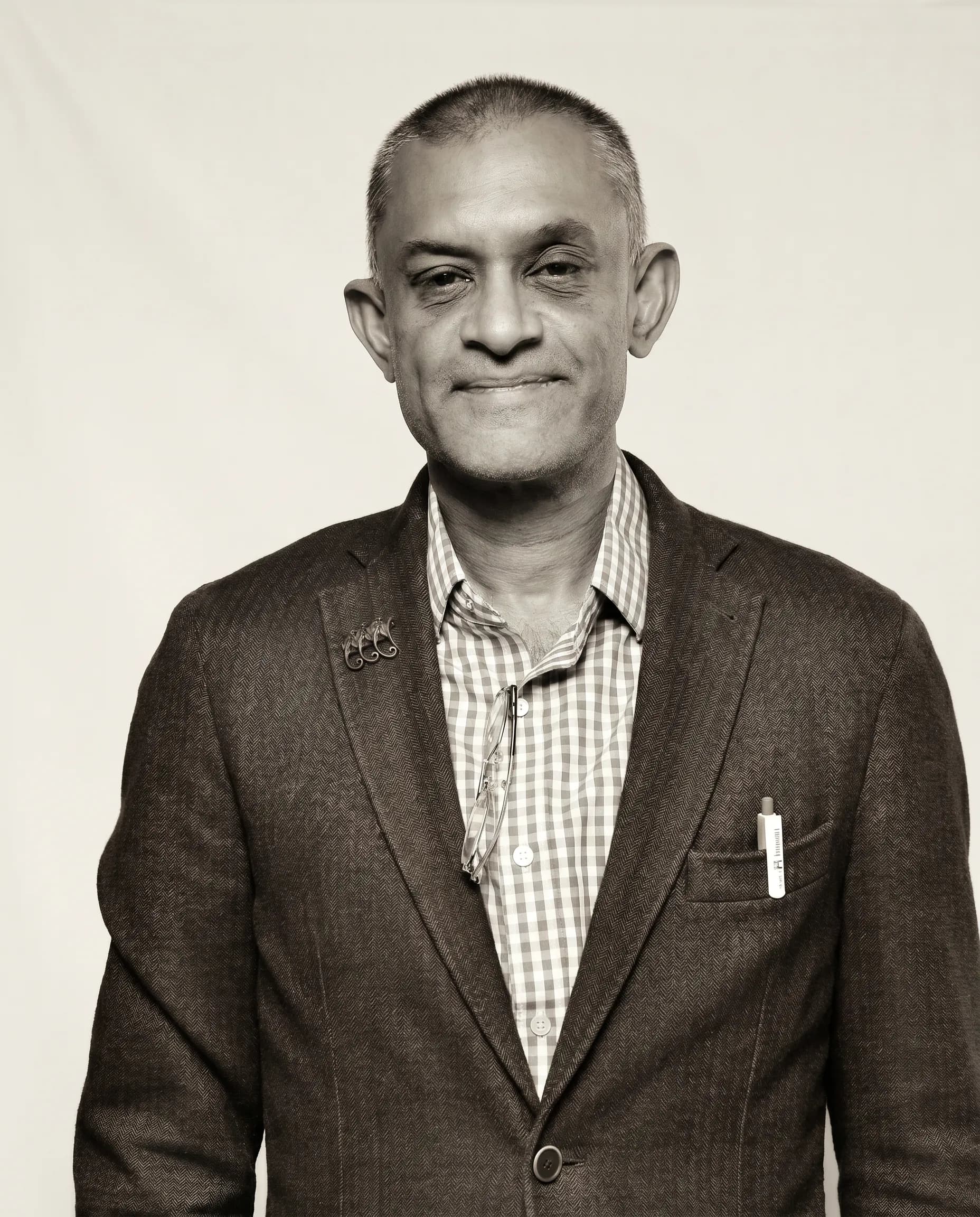
Dr. Stephen Jambunathan
Senior Consultant Psychiatrist
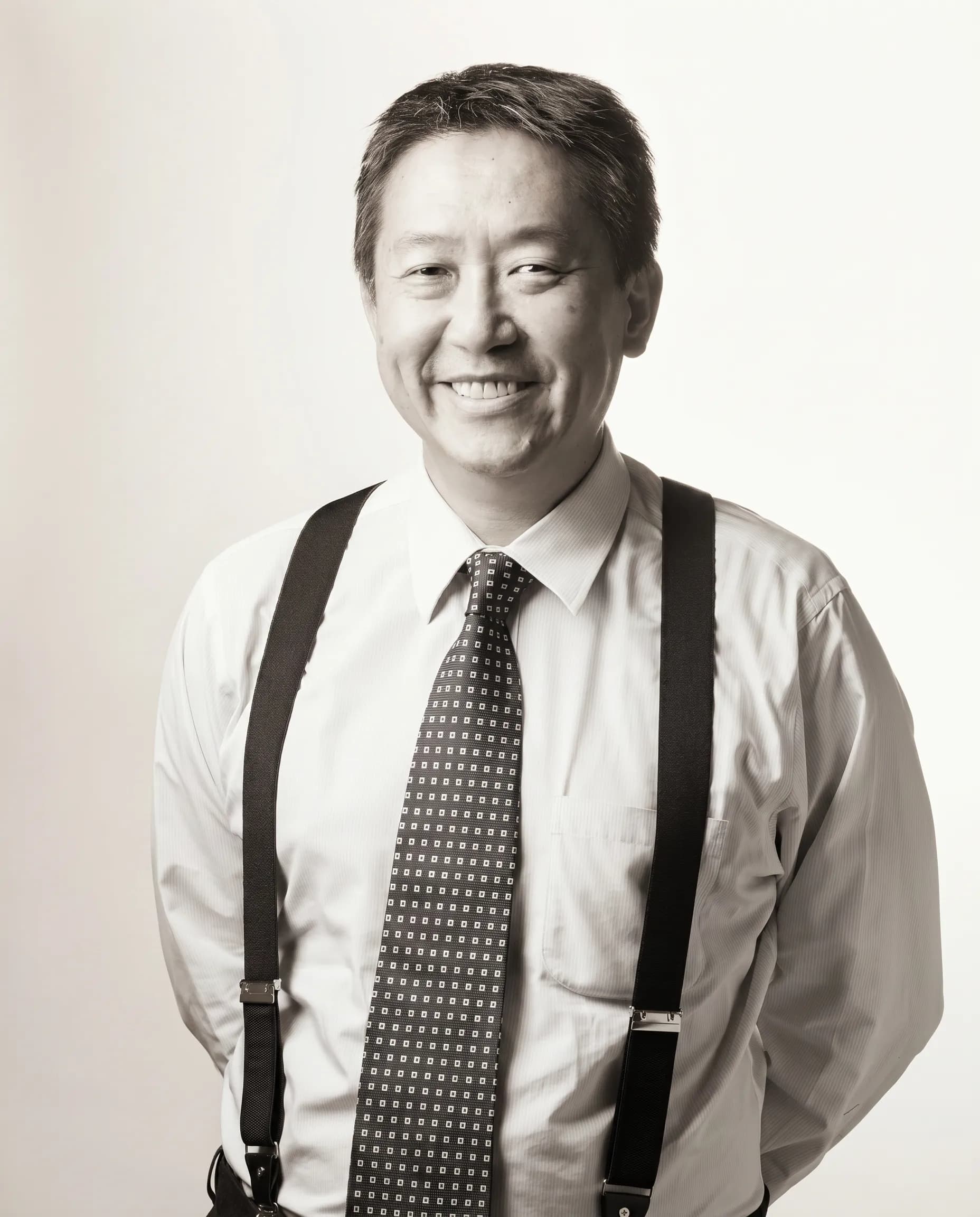
Dr. Lim Chee Min
Senior Consultant Psychiatrist
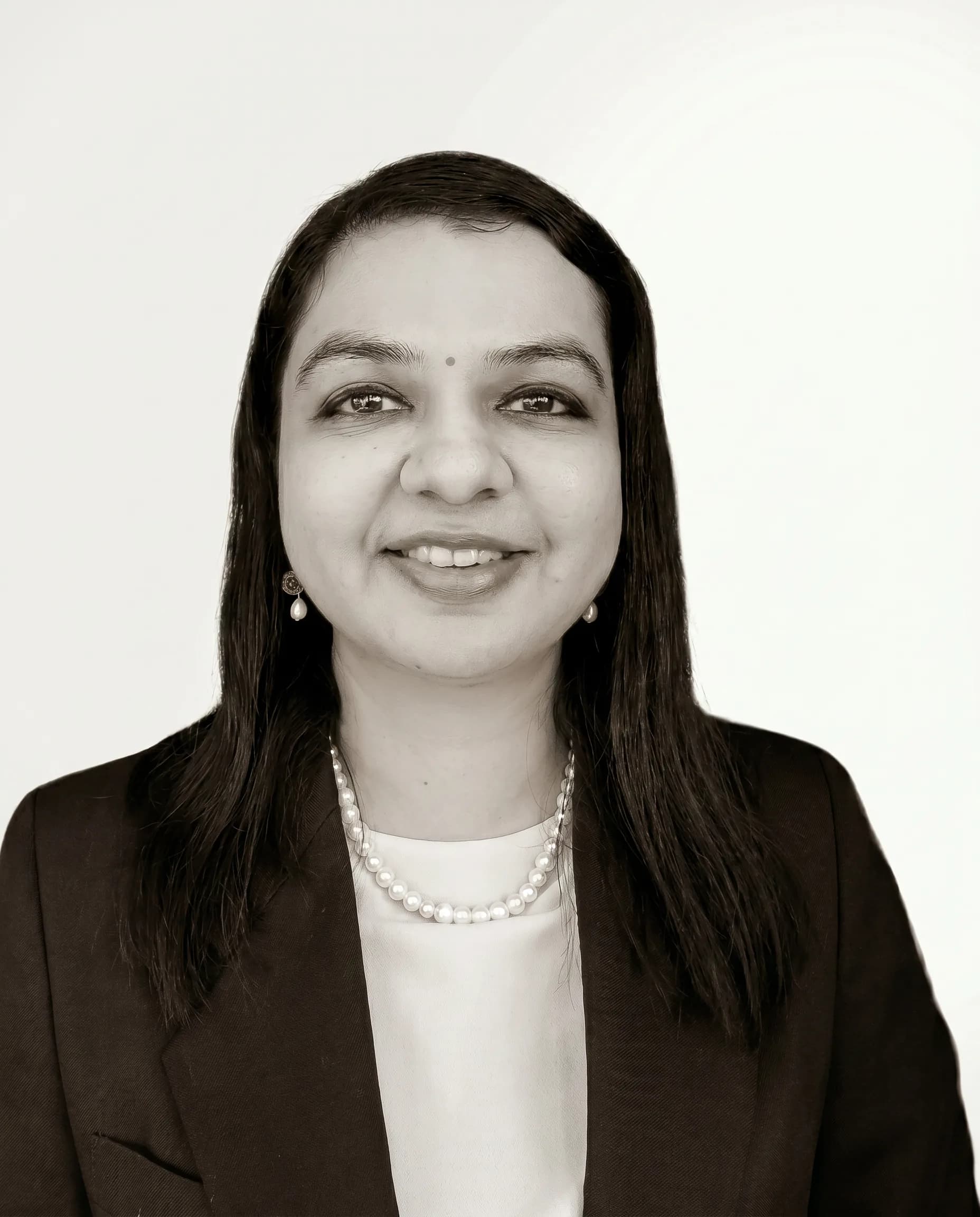
Dr. Deepa Amarnath
Consultant Psychiatrist

Evon Kuah
Clinical Psychologist

Felicia Chan
Clinical Psychologist

Reena Clare
Art Psychotherapist
Questions people ask
About trauma & ptsd, answered
What is the difference between trauma and PTSD?
Trauma is the experience and its effects. PTSD is a specific diagnosis made when symptoms such as flashbacks, nightmares, avoidance and feeling constantly on edge persist for more than a month and disrupt daily life. You don't need a PTSD diagnosis for trauma to be worth treating.
What is EMDR and does it work?
EMDR is a structured therapy that helps the brain process distressing memories so they stop intruding on the present. It is recommended in international guidelines as a first-line treatment for PTSD, alongside trauma-focused CBT. Members of our faculty are trained in EMDR and will explain how it works before you begin.
Will I have to talk about what happened in detail?
Not before you're ready, and in some approaches not in detail at all. Early sessions focus on safety and stability. Your therapist will explain what each stage involves and check in with you throughout.
Can childhood trauma be treated as an adult?
Yes. Trauma from years ago, including complex or repeated trauma, can be treated effectively as an adult. The approach may be longer and more gradual, and it often includes work on relationships and self-worth as well as the memories themselves.
If any of this rings true, it's worth a conversation.
Not sure where you fit? That's entirely normal, we'll help you find the right specialist.
Content reviewed by The Mind Faculty clinical team, a faculty of psychiatrists, psychologists and therapists in Mont Kiara, Kuala Lumpur. This page is general information, not a diagnosis. Talk to us about your own situation.