What we help with
Depression
Low mood, loss of interest, and the grey flatness that settles over everything.
Depression is a common mental health condition marked by persistent low mood, loss of interest or pleasure, and changes in energy, sleep, appetite and concentration that last for at least two weeks. It is treatable: psychological therapy, medication or a combination help most people recover. The Mind Faculty assesses and treats depression in adults, teens and children at our clinic in Mont Kiara, Kuala Lumpur, and by video.
Depression isn't only sadness, often it's a flatness, a heaviness, or losing interest in the things that used to matter. It can be quiet and easy to hide, which is exactly why naming it matters. With the right support, it lifts.
By the numbers
Malaysia NHMS 2023 · WHO
Common signs
- Persistent low or empty mood
- Loss of interest or pleasure
- Fatigue and low motivation
- Changes in sleep or appetite
- Difficulty concentrating
- Feeling worthless or hopeless
Signs vary from person to person, you don't need to recognise all of these, or be sure it's depression, to reach out.
How we can help
Depression care at The Mind Faculty
The first step is a careful assessment with a psychiatrist or psychologist, so you understand what's happening and why, and so we can rule out other things that can look like depression, such as thyroid problems, sleep disorders or burnout.
For mild to moderate depression, talking therapy is usually the first line, most often cognitive behavioural therapy (CBT), and sometimes schema therapy or acceptance and commitment therapy (ACT) depending on what fits you. For moderate to severe depression, or when therapy alone isn't shifting it, a consultant psychiatrist can discuss antidepressant medication, and monitor it carefully with you.
Alongside core treatment, mindfulness, art psychotherapy and acupuncture can support mood, sleep and the return of energy. Because our disciplines work together, your care can combine what's genuinely useful rather than what one clinic happens to offer.
The faculty
Specialists in Depression
These members of the faculty work with this regularly. Not sure who fits? Tell us a little about what's going on and we'll help you choose.
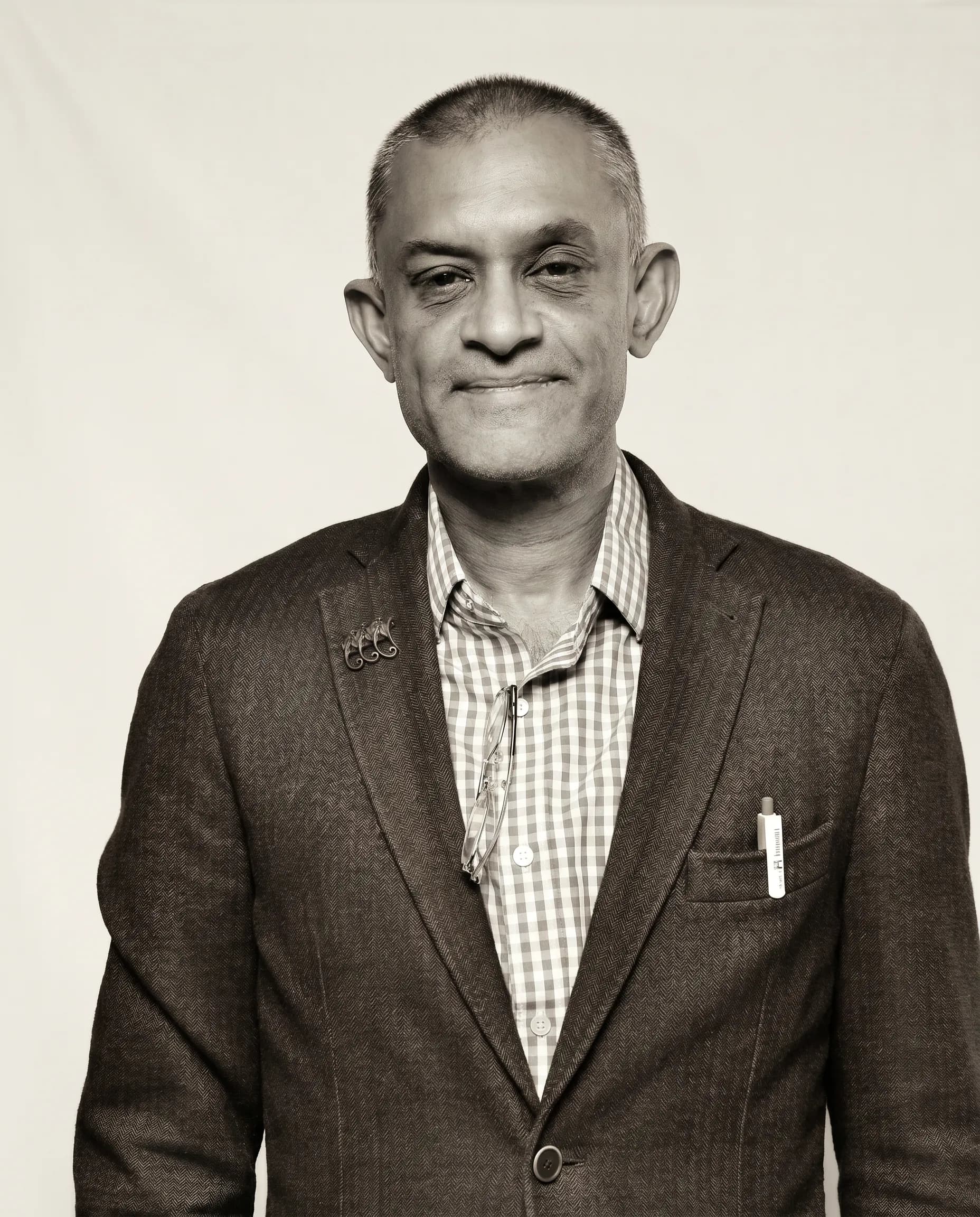
Dr. Stephen Jambunathan
Senior Consultant Psychiatrist

Dr. Lim Chee Min
Senior Consultant Psychiatrist

Dr. Kushil Kaur
Consultant Psychiatrist

Dr. Assvin Alaga
Consultant & Addiction Psychiatrist

Dr. Deepa Amarnath
Consultant Psychiatrist

Dr. Devaki Sathiaray
Psychiatrist & Hypnotherapist
Questions people ask
About depression, answered
What's the difference between feeling low and depression?
Everyone has low days. Depression is when low mood or loss of interest lasts most of the day, nearly every day, for two weeks or more, and starts affecting sleep, appetite, energy, concentration or how you feel about yourself. If that sounds familiar, it's worth an assessment, you don't need to be certain to reach out.
Do I need to see a psychiatrist or a psychologist for depression?
Either is a good place to start. A psychiatrist is a medical doctor who can diagnose, prescribe and manage medication. A psychologist provides talking therapy. Many people at The Mind Faculty see both, and if you're not sure who to see first, tell us what's going on and we'll guide you.
Will I be put on antidepressants?
Only if it's the right thing for you, and only with your agreement. For mild depression, therapy is usually recommended first. If medication is suggested, your psychiatrist will explain what it does, how long it takes to work and what to expect, and review it with you regularly.
Can depression be treated online?
Yes. Therapy and psychiatric follow-ups work well by secure video, and many of our practitioners offer online sessions. Some first assessments are best done in person, and we'll let you know if that applies to you.
I'm worried about someone else. What should I do?
Start by telling them what you've noticed, without judgement, and let them know help exists. You're welcome to contact us for guidance on how to support them, and if there is any immediate risk to their safety, call emergency services (999 in Malaysia) or go to the nearest emergency department.
If any of this rings true, it's worth a conversation.
Not sure where you fit? That's entirely normal, we'll help you find the right specialist.
Content reviewed by The Mind Faculty clinical team, a faculty of psychiatrists, psychologists and therapists in Mont Kiara, Kuala Lumpur. This page is general information, not a diagnosis. Talk to us about your own situation.