Obsessive-compulsive disorder (OCD) is a condition marked by intrusive, unwanted thoughts, images or urges (obsessions) and the repetitive behaviours or mental rituals (compulsions) a person feels driven to perform to relieve the anxiety they cause. It is treated most effectively with a specialised form of CBT called exposure and response prevention (ERP), medication, or both. The Mind Faculty assesses and treats OCD in adults, teens and children at our clinic in Mont Kiara, Kuala Lumpur.
OCD is a loop of distressing intrusive thoughts and the rituals that try, briefly, to silence them. It can attach to almost anything, and the shame around it often keeps people silent. It responds well to the right, specialist treatment.
By the numbers
WHO · World Mental Health Surveys
Common signs
- Unwanted intrusive thoughts, images or urges
- Intense anxiety or disgust
- Repetitive checking, washing or counting
- Mental rituals or reassurance-seeking
- Avoiding triggers
- Feeling driven to get things 'just right'
Signs vary from person to person, you don't need to recognise all of these, or be sure it's ocd, to reach out.
How we can help
OCD care at The Mind Faculty
OCD is often misunderstood, even by people who have it, so assessment starts with an honest conversation about what the thoughts and rituals actually look like. Intrusive thoughts can be about anything, including things that feel shameful or frightening. Our clinicians have heard it before, and having a thought is not the same as wanting to act on it.
The treatment with the strongest evidence is CBT with exposure and response prevention, which helps you gradually face what triggers the anxiety while resisting the ritual, so the loop loses its grip. For moderate to severe OCD, a consultant psychiatrist can discuss medication, which often works best in combination with therapy.
Several of our psychiatrists and clinical psychologists work with OCD regularly, and can coordinate therapy and medication in one place.
The faculty
Specialists in OCD
These members of the faculty work with this regularly. Not sure who fits? Tell us a little about what's going on and we'll help you choose.
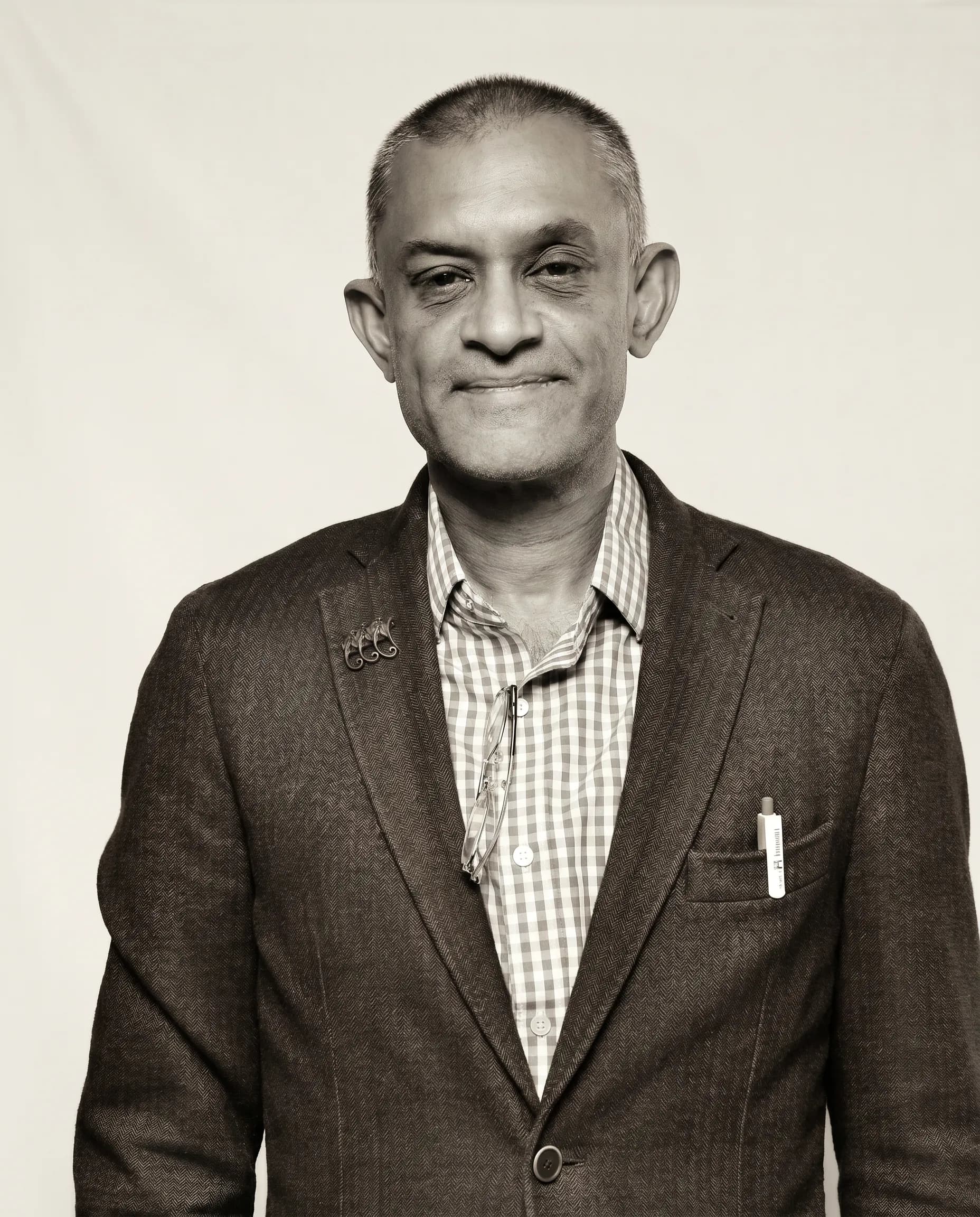
Dr. Stephen Jambunathan
Senior Consultant Psychiatrist

Dr. Lim Chee Min
Senior Consultant Psychiatrist

Dr. Devaki Sathiaray
Psychiatrist & Hypnotherapist
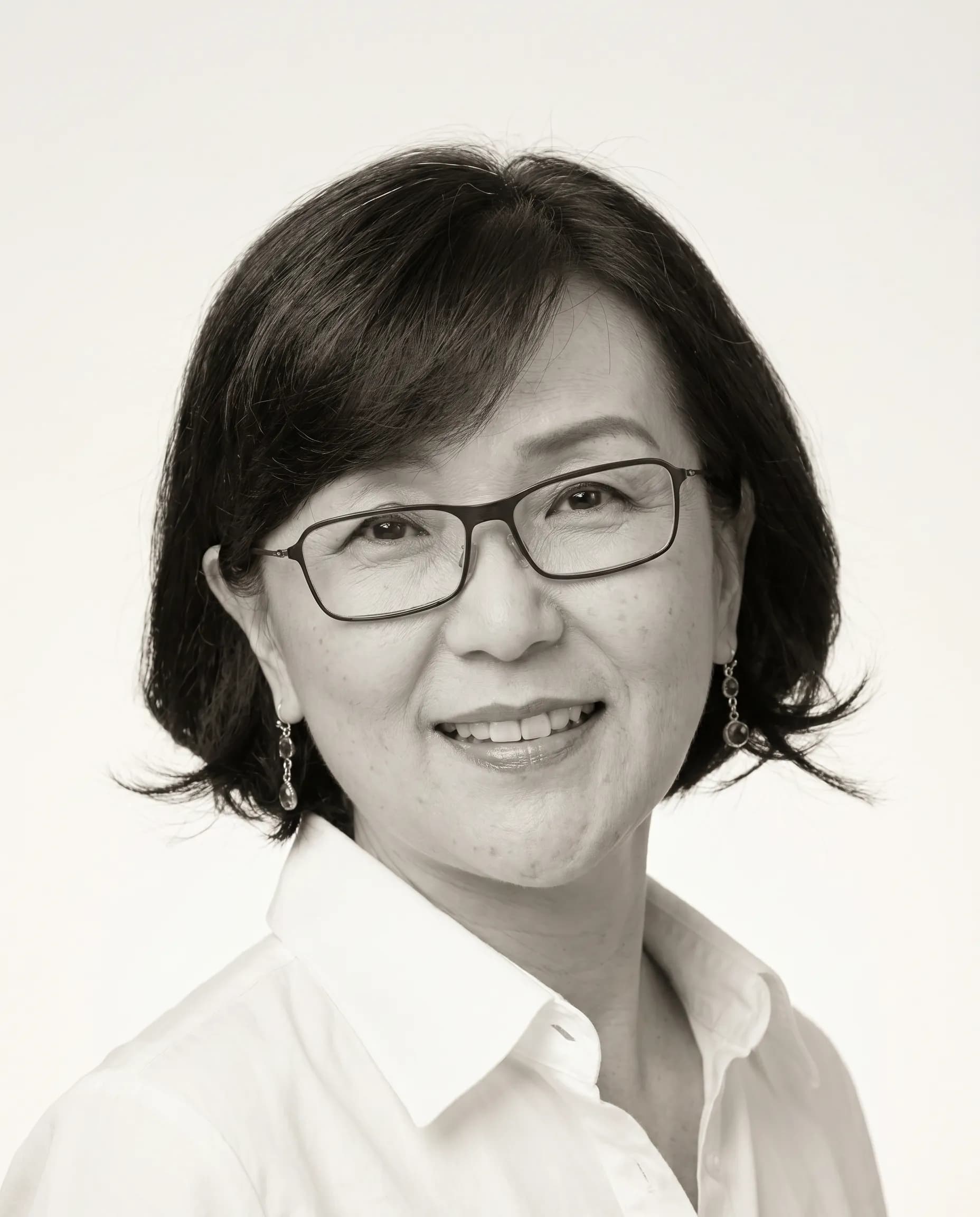
KC Chiang
Clinical Psychologist
Questions people ask
About ocd, answered
How do I know if I have OCD or am just particular?
Preferring things neat is not OCD. OCD involves intrusive thoughts that cause real distress and rituals that take up significant time, typically more than an hour a day, or that clearly interfere with life. If your rituals feel driven by fear rather than preference, an assessment can help.
What is ERP therapy?
Exposure and response prevention is a form of CBT in which you and your therapist gradually approach the situations or thoughts that trigger anxiety while you practise not doing the compulsion. It's structured, paced and collaborative, and it's the psychological treatment with the best evidence for OCD.
Can OCD be treated without medication?
Often, yes. ERP alone is effective for many people. Medication is worth discussing when OCD is severe, when therapy alone isn't enough, or when depression is also present. Your clinician will help you weigh the options.
Do intrusive thoughts mean something about me?
No. Intrusive thoughts are common to almost everyone. In OCD they simply get stuck and feel meaningful. Having a disturbing thought does not mean you want it or will act on it, and treatment helps you relate to those thoughts differently.
If any of this rings true, it's worth a conversation.
Not sure where you fit? That's entirely normal, we'll help you find the right specialist.
Content reviewed by The Mind Faculty clinical team, a faculty of psychiatrists, psychologists and therapists in Mont Kiara, Kuala Lumpur. This page is general information, not a diagnosis. Talk to us about your own situation.